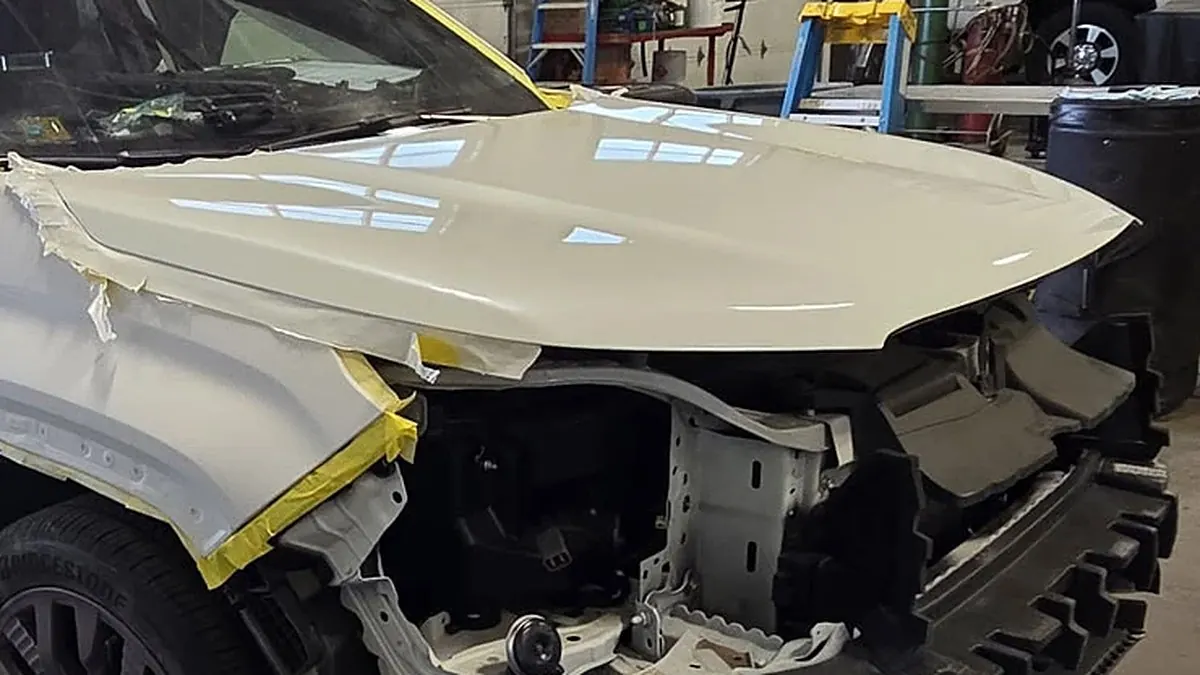
Your car is "totaled" when the insurer decides that paying for the repair makes less financial sense than paying you what the car was worth before the crash. Most cars that get totaled could physically be repaired. The decision turns on three numbers: the repair estimate, the car's pre-crash value, and what the damaged car is worth as salvage. If you disagree with the result, Oregon law gives you a right to see how the insurer valued the car.
How insurers weigh it
Every insurer has its own method, and each policy spells out the details. The basic comparison looks like this:
| Number | What it means | Who produces it |
|---|---|---|
| repair estimate | parts, labor, paint and calibration needed to fix the car | the shop and the insurer's appraiser |
| actual cash value | what your car was worth the moment before the crash | the insurer, usually from a valuation report |
| salvage value | what the wreck can be sold for afterward | the insurer, from salvage bids |
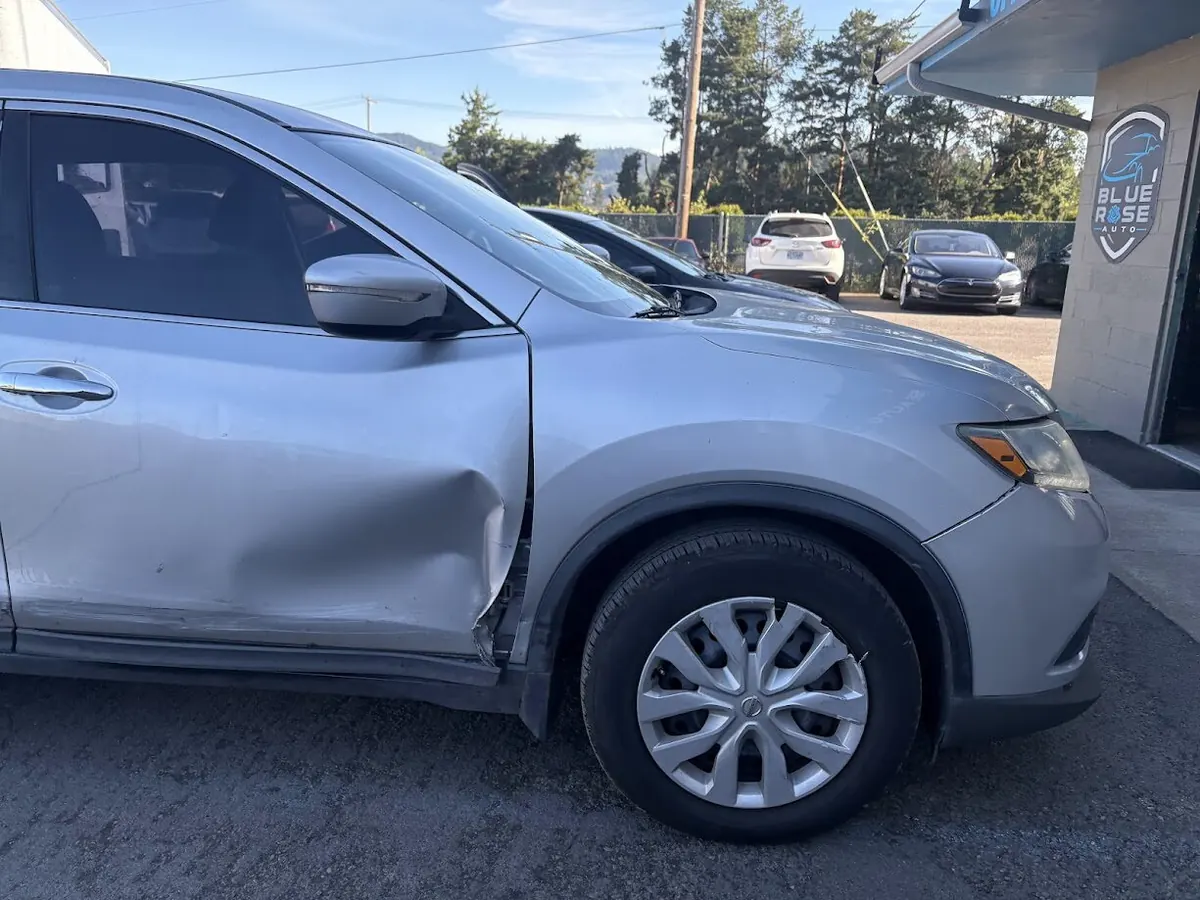
When the repair cost gets close to the actual cash value, or would exceed it once salvage is taken into account, the insurer will usually call the car a total loss. Older cars with modest market values tip over quickly. A newer car with the same damage might be repaired without a second thought.
Why the first estimate can mislead you
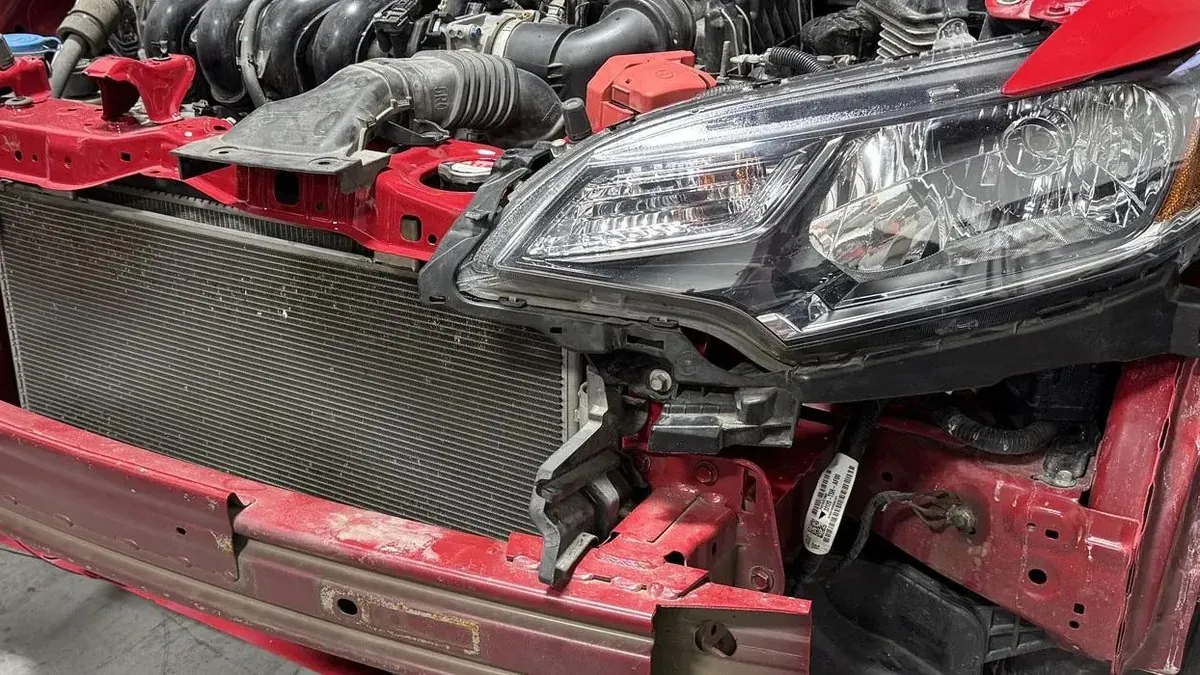
Early estimates are often written from photos. Once a shop takes the front end apart, the number can climb by a lot: radiator supports, headlamp mounts, sensors, airbags. A car that looked repairable on day one can be totaled on day ten. The reverse also happens, if the feared frame damage turns out to be only a bent bracket.
Ask the shop for a teardown estimate before you accept a total-loss call on a borderline car. Seeing what is actually broken settles a lot of arguments.
What Oregon says you must be given
When an insurer declares a vehicle a total loss and offers a cash settlement, ORS 742.554 requires it to give the owner any valuation or appraisal reports it relied on. The insurer must also hand over a written statement, in a form set by the state, with information about total losses, how the vehicle was valued and the insurer's duties, plus how to contact Oregon's Division of Financial Regulation.
In practice, that means you never have to accept a number you cannot see the reasoning for. If the reports did not arrive with the offer, ask for them in writing.
Checking the valuation, step by step
- 1Read the comparable vehicles. Valuation reports list similar cars for sale. Check that they match your year, trim, engine, drivetrain and mileage. A base model compared against your top trim is a common gap.
- 2Look for missing options. Factory packages, a tow package, upgraded wheels or a newer battery all add value. Make sure they are listed.
- 3Gather your records. Receipts for new tires, recent major service or a replaced transmission show condition the report may not reflect.
- 4Find your own comparables. Pull three to five listings for the same car from the Willamette Valley or nearby markets. Save screenshots with prices and dates.
- 5Write a short reply. List each point with a document attached and say what figure you think is fair. Keep it to a page.
- 6Escalate if you need to. If the insurer will not move and you think the offer breaks the rules, the DFR consumer help page lists free advocates and the toll-free line, 888-877-4894.
Should you push for a repair instead?
Sometimes it is worth asking whether the car can be repaired after all. A few situations where owners often push back:
- the car is paid off, reliable and hard to replace at the offered amount,
- it has modifications or equipment that a cash value will never reflect,
- the damage is mostly cosmetic panels and paint, and the teardown estimate came in lower than feared.
And a few where accepting the total loss usually makes sense:
- structural damage to the floor, pillars or, on an electric car, the battery area,
- airbags deployed across the cabin, which adds a long list of parts,
- a loan balance that the settlement will clear.
Electric cars deserve a careful look here, because battery-area damage moves the numbers fast. The page on EV and Tesla collision repair explains why. If the car is repaired, the insurance claim steps page covers the supplement process that usually follows.
Before the car leaves your hands
Remove personal items, garage openers, toll tags and anything in the glove box. Take your plates if the insurer's process allows it, and ask what happens to your registration and loan. Photograph the odometer and the interior as a final record. The crash-to-repair guide has the steps that came before this decision.
A second opinion on a borderline car
A body shop estimate is the most useful thing you can bring to a total-loss discussion, because it replaces guesses with a parts list. Blue Rose Auto, a Springfield collision repair and auto body shop in business since 1994, writes estimates for Lane County drivers trying to decide between repair and settlement. For more on how that decision plays out locally, Blue Rose Auto Care & Repair Services has a longer piece on Oregon total losses from the shop's point of view. You can reach Blue Rose Auto at (541) 641-8877.