
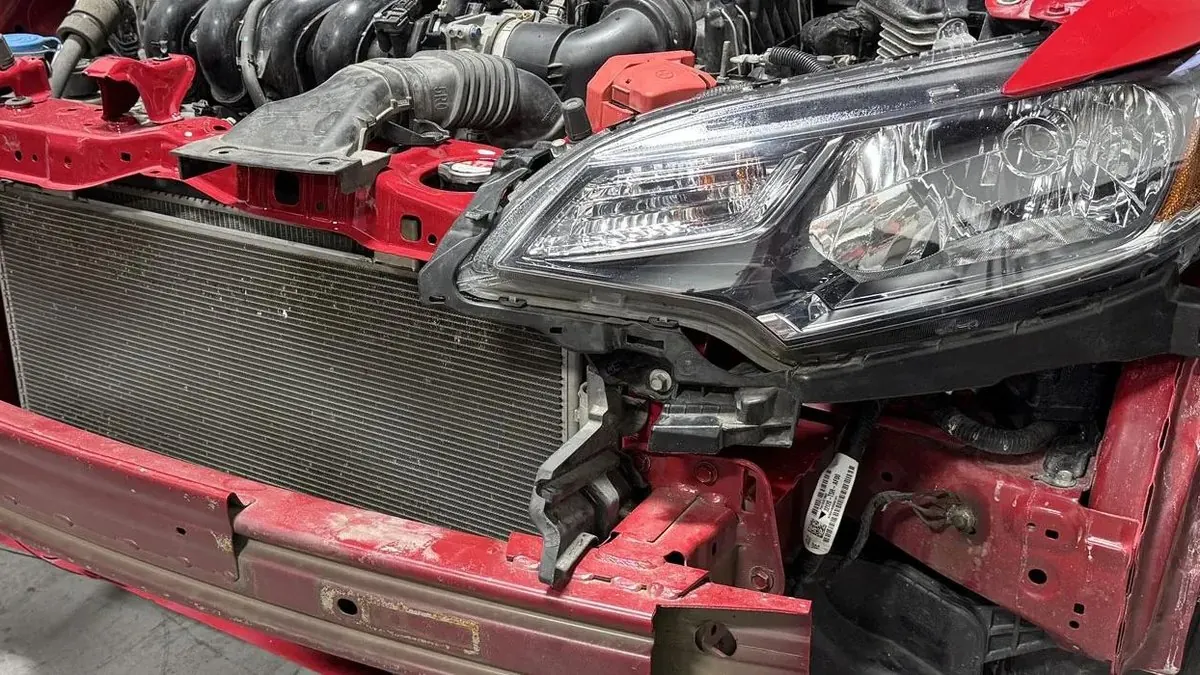
DMV crash report
The four situations that trigger Oregon's 72-hour DMV report, and how to file it online or on paper.
The order that works after an Oregon crash, from the roadside to the body shop, with the two deadlines that catch people out.
Published by Blue Rose Auto Care & Repair Services · Updated
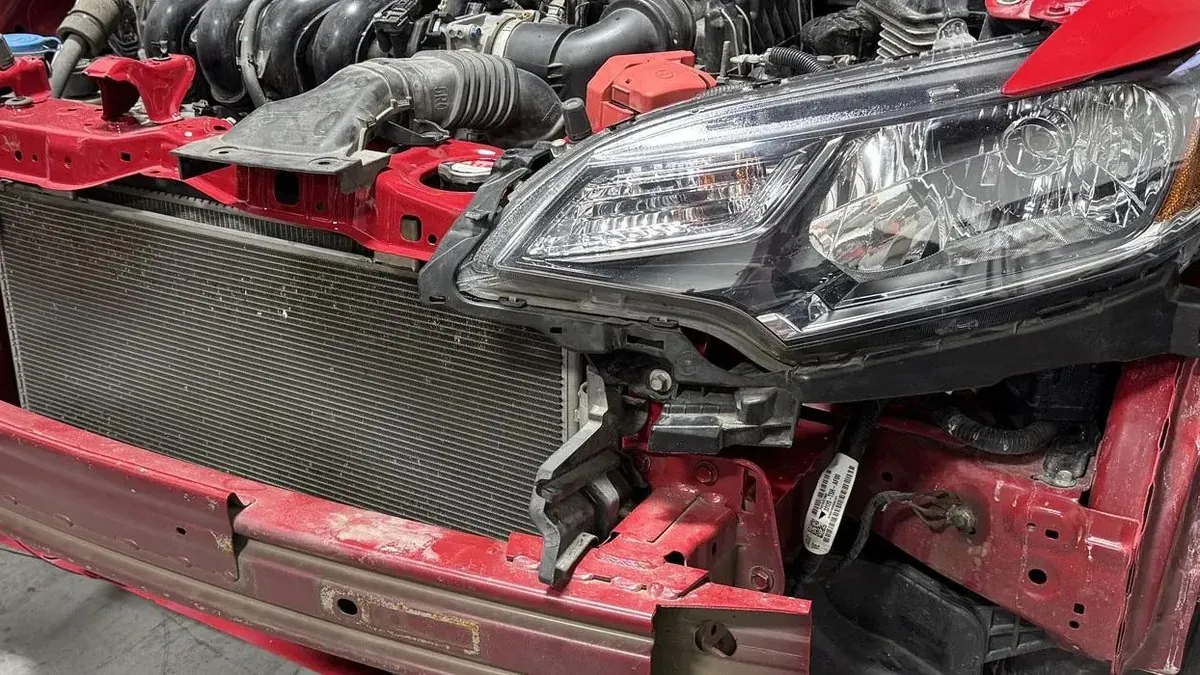
The four situations that trigger Oregon's 72-hour DMV report, and how to file it online or on paper.
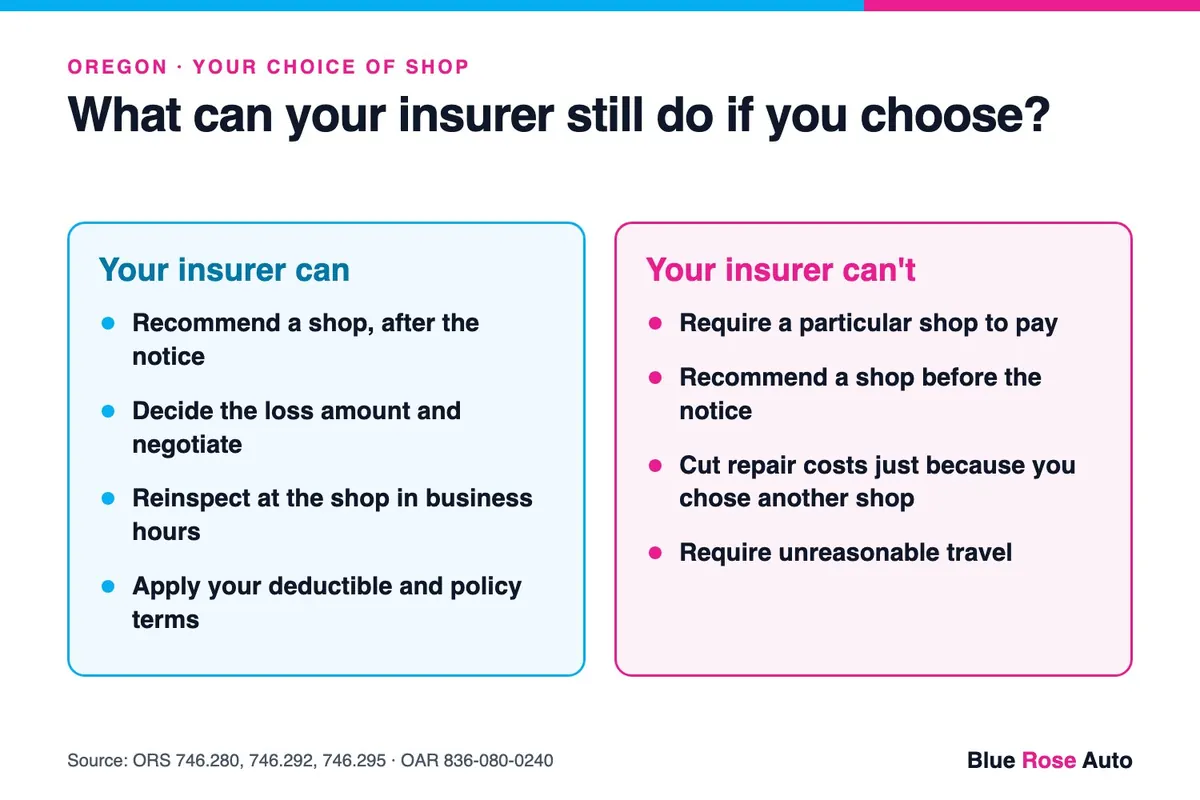
What an Oregon insurer can and cannot require, plus ten questions to ask any body shop before you sign.
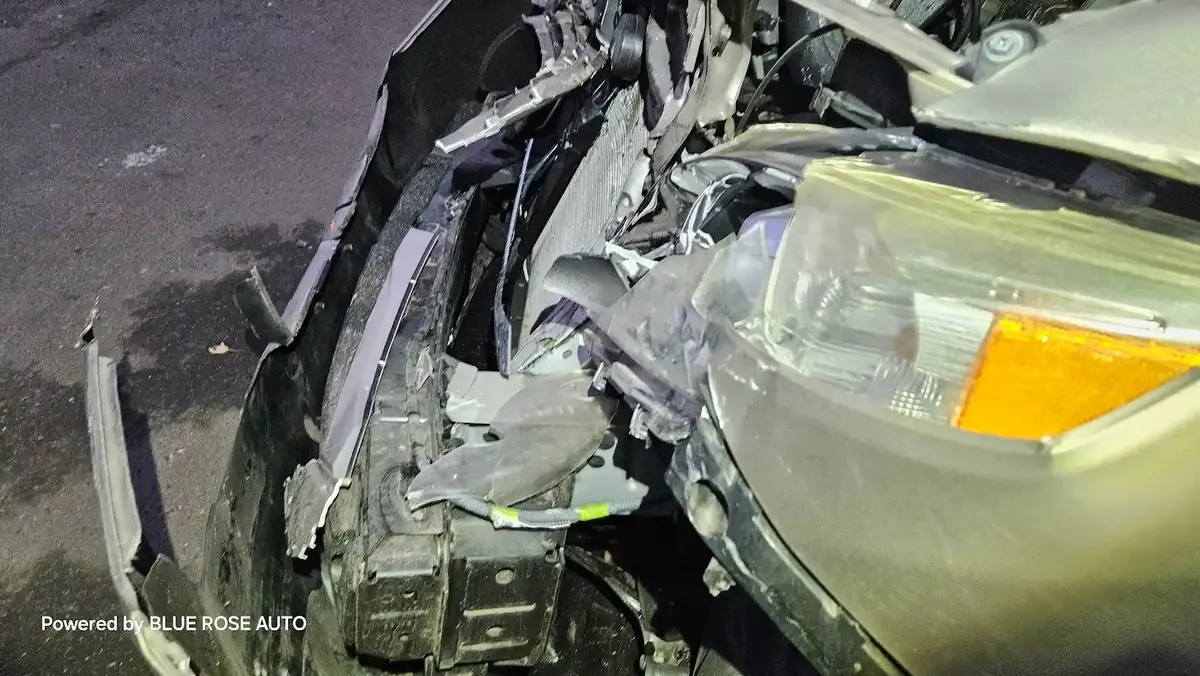
Nine claim stages from the first call to the final payment, and what you should have ready at each one.
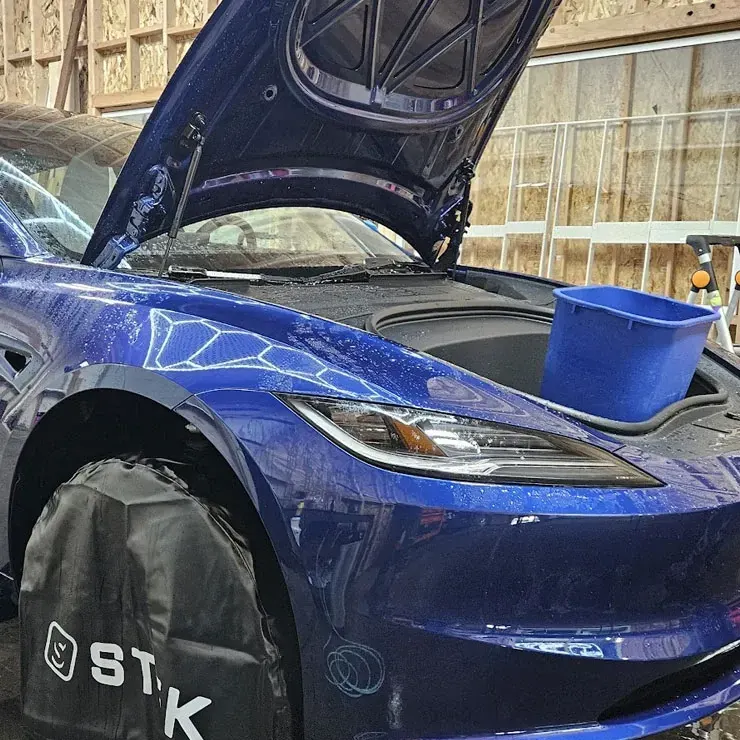
Battery, body metal and sensors: the three areas where EV crash repair differs from a gas car.
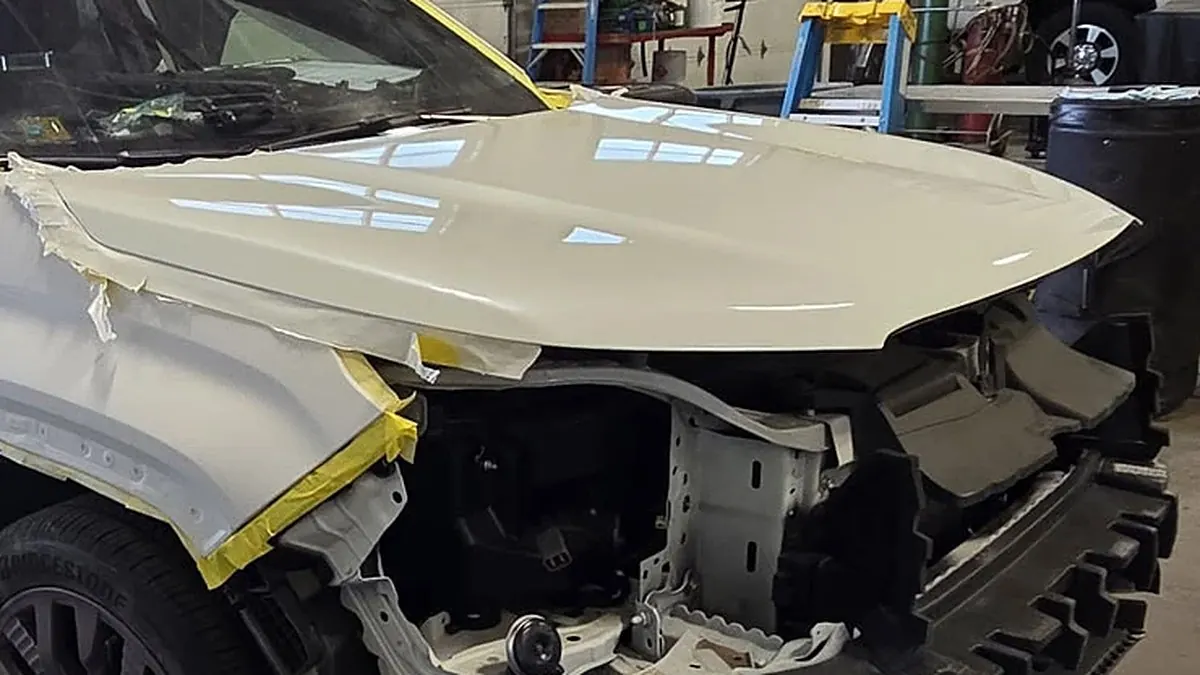
How insurers weigh a total loss, the paperwork Oregon says you get, and how to push back on a low offer.
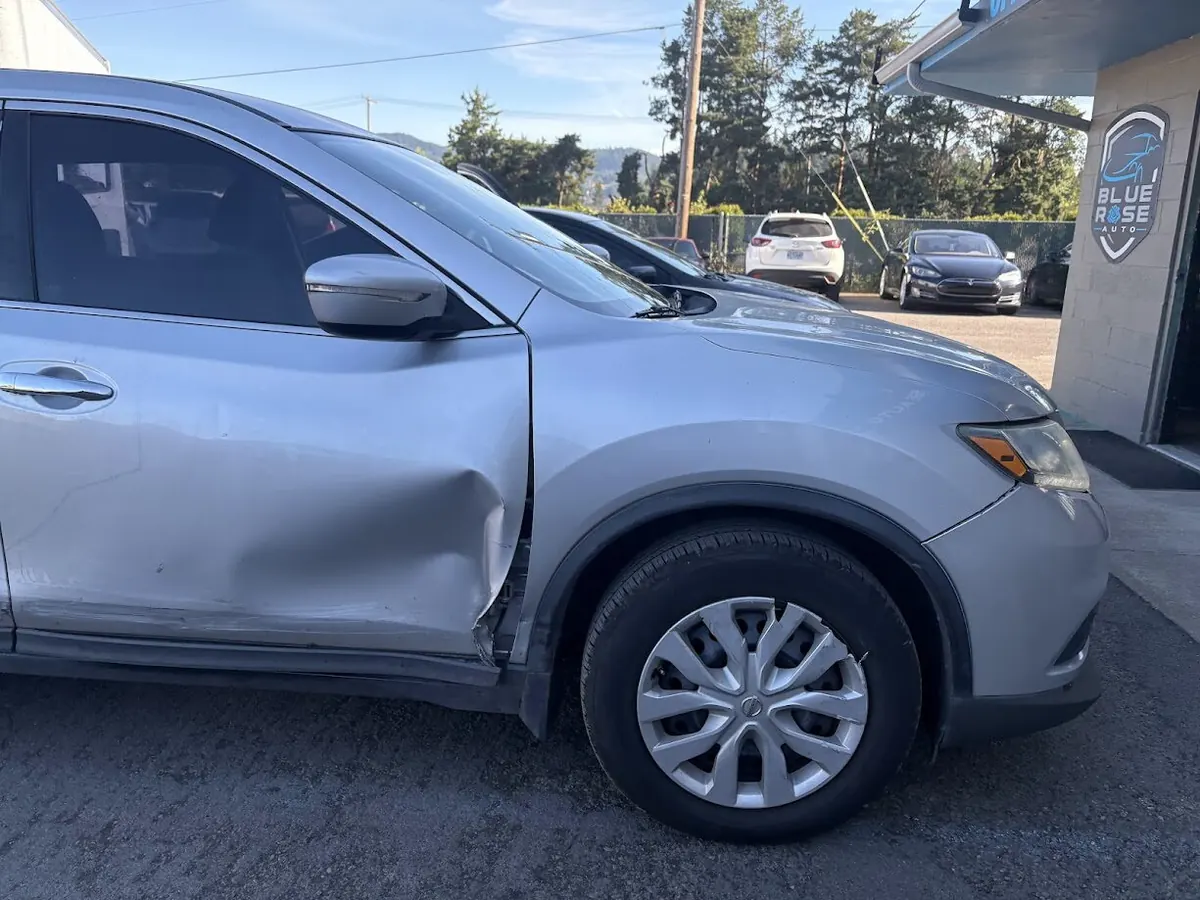
Paintless dent repair, panel repair or replacement: how to match the fix to the damage on your car.
The first hour after a crash is when people make the mistakes that cost them later: no photos, no exchange of insurance details, a missed report. Oregon's rules are not complicated, but two of them have deadlines. This guide walks through the order that works, from the roadside to the body shop.
This page is the overview. Each later step has its own page with more detail:
Check for injuries first and call 911 if anyone is hurt. If the cars can move and nobody is injured, get them out of traffic, turn on hazard lights and stay clear of the road.
Then collect the basics before anyone leaves:
Take more photos than you think you need. Wide shots that show where the cars ended up, close shots of every damaged panel, the road surface, signs and signals. Photos taken in the first ten minutes are hard to argue with later.
Keep the conversation short and factual. Saying sorry is a normal reaction, but leave the question of fault to the insurers.
If the other driver drives off, don't chase them. Write down the plate, the make, the color and the direction they went while it is fresh, then call the police from a safe spot. A partial plate and a dashcam clip are still worth giving to the officer and to your insurer.
Oregon asks drivers to file their own collision report with DMV, separate from anything the police write. The Oregon DMV accident reporting page sets a 72-hour deadline whenever someone is hurt or killed, or damage passes $2,500 in one of the ways DMV lists. A police report does not replace yours. Missing the report can lead to a suspension notice, so if in doubt, file.
Report the claim as soon as you can, even if you think the other driver was at fault. Have your photos, the other driver's details and the DMV report confirmation ready. Ask for the claim number and the adjuster's direct contact, and write both down. Check whether your policy includes rental coverage before you book a rental, and how many days it allows.
If your car can't be driven, ask where it can be towed. A car sitting in a tow yard can collect storage fees by the day, so move it to the repair shop you choose as soon as the insurer allows.
Insurers often suggest a shop from their network, and that can be convenient. It is not a requirement. Under Oregon law, ORS 746.280, an insurer may not require that a particular person make the repairs as a condition of paying your claim. Before recommending a shop, the adjuster has to tell you that you are free to choose.
Look for a written estimate that lists parts and labor, as the Federal Trade Commission recommends in its auto repair basics, plus experience with your kind of vehicle and photos of any hidden damage found once panels come off.
Ask how the shop will keep you updated and how long parts are expected to take. Before you sign off, walk around the car in daylight. Check that panel gaps line up, the paint matches from a few angles, the doors close cleanly and no warning lights are on. Keep the final invoice with the claim paperwork.
Even a low-speed hit near a wheel can knock a brake line or a caliper out of place, so a few weeks after the repair it is worth running through a brake inspection checklist and booking a look if anything feels off.
Blue Rose Auto Care & Repair Services handles collision repair, paint and bodywork at its Springfield shop on Olympic Street. It is a Tesla Approved Body Shop, and its technicians are ASE-certified for the mechanical side of a crash repair. For collision estimates and insurance work, see the collision repair page from Blue Rose Auto Care & Repair Services, or call (541) 641-8877. If your car can't be driven, ask the tow company to take it straight to the shop you picked, which avoids tow-yard storage fees while the claim gets sorted. Blue Rose Auto is open Monday to Saturday.

Address, opening hours and the number to call.
Call the shop to ask a question or book a visit. Mon-Fri 8-5 · Sat 10-5.