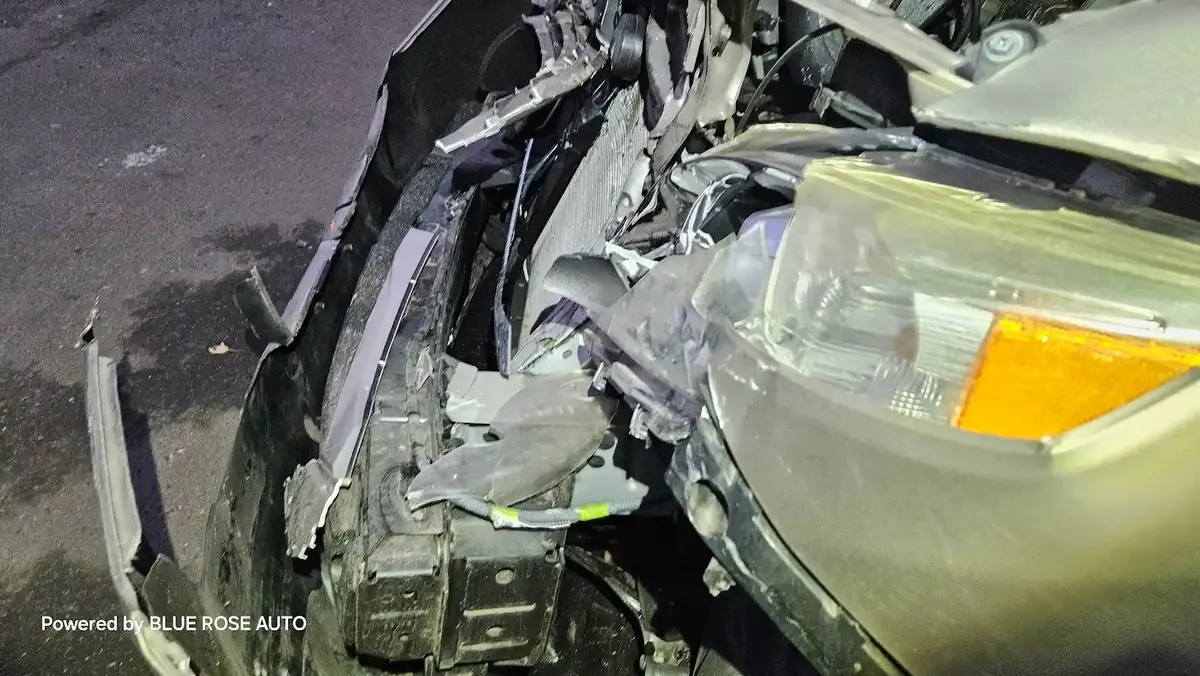
Report the crash to your insurer right away, get a claim number, let the adjuster see the damage, take the car to a shop you choose, and expect the first estimate to grow once the car is opened up. That is the short version. Most frustration comes from not knowing which stage you are in, so here is the whole sequence.
The nine stages of a crash claim
| Stage | What happens | What you do |
|---|---|---|
| 1. First notice | You tell the insurer about the crash | call or use the app, get a claim number |
| 2. Coverage check | Insurer confirms the policy and which coverage applies | ask whose policy pays and what your deductible is |
| 3. Liability | Adjusters decide who was at fault | send photos, witness names and the DMV report |
| 4. Inspection | An appraiser looks at the car, or you send photos | point out every damaged area, inside and out |
| 5. First estimate | A written repair estimate is produced | read it line by line |
| 6. Shop and repair start | The car goes to the shop you picked | sign a repair authorization you understand |
| 7. Supplement | Hidden damage found during teardown is added | ask for photos of the new items |
| 8. Repair and checks | Body, paint, mechanical and sensor work | ask for updates on a set schedule |
| 9. Payment and pickup | Insurer pays the shop or you; you pay any deductible | inspect the car before signing off |
Stage by stage, with the details that matter
First notice and coverage
Call even if the crash was minor and even if you think the other driver is at fault. Late notice gives an insurer a reason to ask questions. You'll be asked where and when it happened, who was involved and whether anyone was hurt.
There are two common paths. If the other driver was at fault, you can claim against their liability coverage. If you'd rather not wait for fault to be settled, or the other driver has no insurance, your own collision coverage may pay first, minus your deductible. Your agent can tell you which applies.
Liability and the inspection
The adjuster gathers statements and decides fault. Photos from the scene, a witness phone number and your copy of the Oregon DMV crash report all help here.
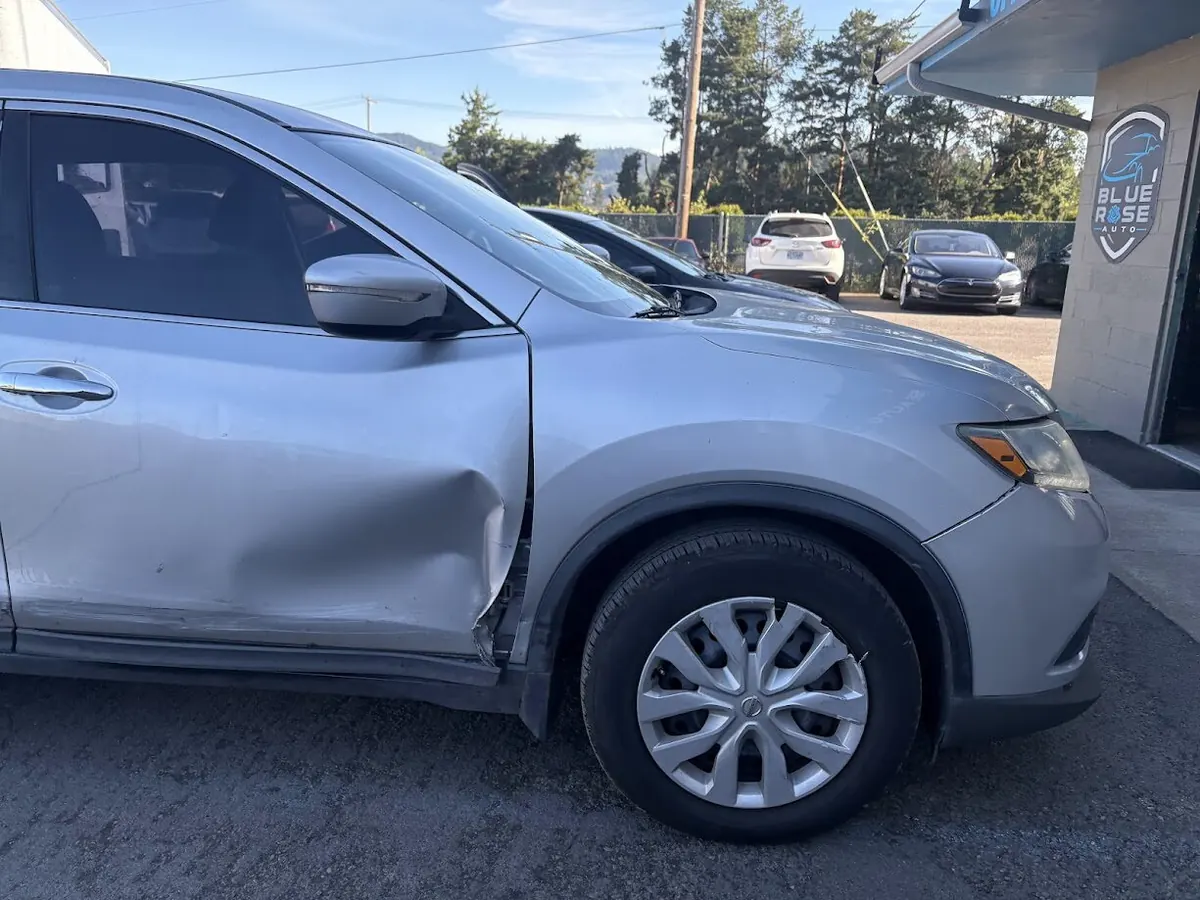
For the damage, many insurers now start with photos taken in their app. That is quick, but a phone photo cannot see behind a bumper cover. Treat the first number as a starting point.
The estimate and the supplement
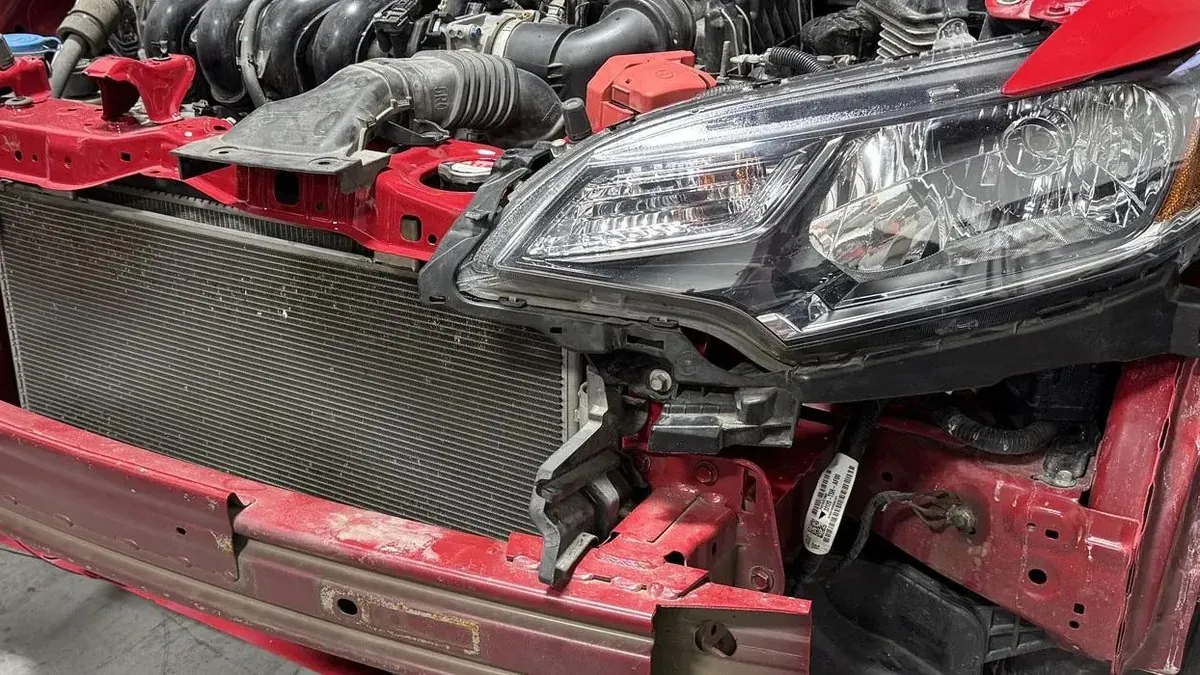
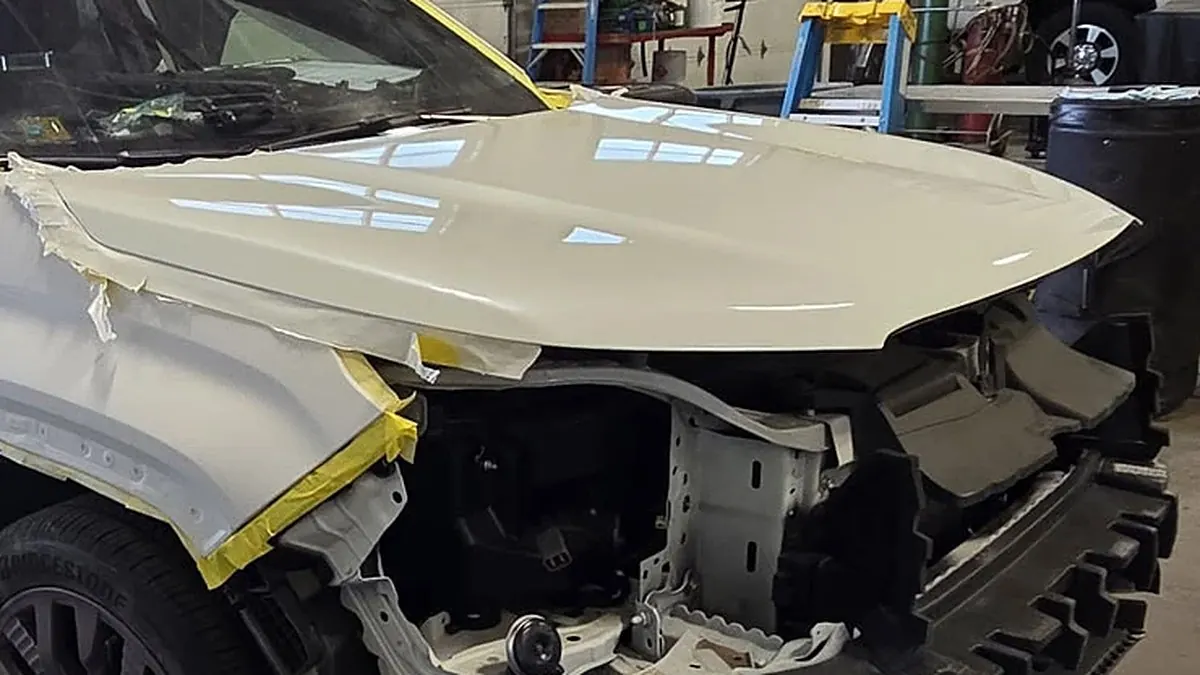
This is where most claims get messy, and it is normal. When a shop removes the bumper, door trim or fender liner, it often finds bent brackets, cracked mounts or a damaged sensor. The shop then writes a supplement, which is an addition to the estimate, and sends it to the insurer for approval.
A few habits keep supplements from dragging on:
- ask the shop to send photos of each added item to you as well as the insurer,
- ask whether approval is pending and who is waiting on whom,
- keep a simple log with the date, who you spoke to and what was agreed.
The FTC's auto repair basics make a related point for any repair: the shop should contact you for approval before doing work that goes beyond the written estimate.
Payment and pickup
The insurer may pay the shop directly, pay you, or issue a check with both names on it if there is a loan on the car. Your deductible, if it applies, is usually paid to the shop at pickup. Before you sign the final paperwork, look the car over in daylight and drive it a short distance with the radio off.
Rental cars, towing and other costs
Rental coverage depends on your policy or, if the other driver is at fault, on their insurer agreeing to it. Ask before you rent, and ask how many days are covered. Supplements and parts delays can stretch a repair, so check in before the rental runs out.
Storage at a tow yard is billed by the day. Moving the car to your chosen shop early stops that meter. Keep every receipt: towing, rental, a ride home from the scene. Some of it may be recoverable.
When the claim stalls
Start with the adjuster's supervisor, in writing. If your car is at a shop such as Blue Rose Auto, ask the estimator which line items the insurer is questioning. Lay out the dates, the amounts in dispute and what you are asking for. Short, factual and polite gets read.
If that does not move it, Oregon's Division of Financial Regulation has consumer advocates who help with insurance problems at no charge. You can reach them through the DFR help page or toll-free at 888-877-4894. DFR staff are not your lawyers, but they can check whether the company is following Oregon's insurance laws and rules.
Two decisions sit inside the claim and get their own pages: where the car is repaired, which Oregon law leaves to you, and whether the car is a total loss, which the insurer proposes and you can question. The crash-to-repair guide shows how all of this fits after the first hour.
Coverage questions before you call
If you are not sure what your own policy pays for, read up before the first call so the adjuster's terms make sense. Blue Rose Auto, a Springfield collision repair shop, has an explainer on what collision insurance usually covers at blueroseauto.com, written from the repair side of the counter. Blue Rose Auto works on the car, not the policy, so your agent is still the one to confirm your limits and deductible.